Children at public primary schools in Mbinga District are in class from 8:30 in the morning until 4:00 in the afternoon. They are not fed during that time. Not a small meal, not a snack — nothing. TUFOI already owns 107 acres of fertile, well-watered land in the district. This project turns that land into the food those children are missing.
Project at a glance
- Location: Mbinga District, Ruvuma Region, southern Tanzania
- Land: 107 acres, already owned by TUFOI, with abundant water for irrigation
- Serving: 8 public primary schools in Amani Makoro Rural Ward
- Duration: 6 years
- Long-term goal: extend food support to all 251 primary schools in Mbinga District
The problem
More than 15,000 children are enrolled in public schools across Mbinga District. None of them receive a meal at school.
Most come from families with very little. Many are orphans, children of single parents, or dependents of widows farming small plots. Tanzania's free education policy covers tuition but not food, and local government has no budget to close the gap.
A hungry child does not learn well, attends less often, and grows more slowly. This is not a marginal problem affecting exam results at the edges — it shapes what these children's lives are able to become.
Why this is solvable here
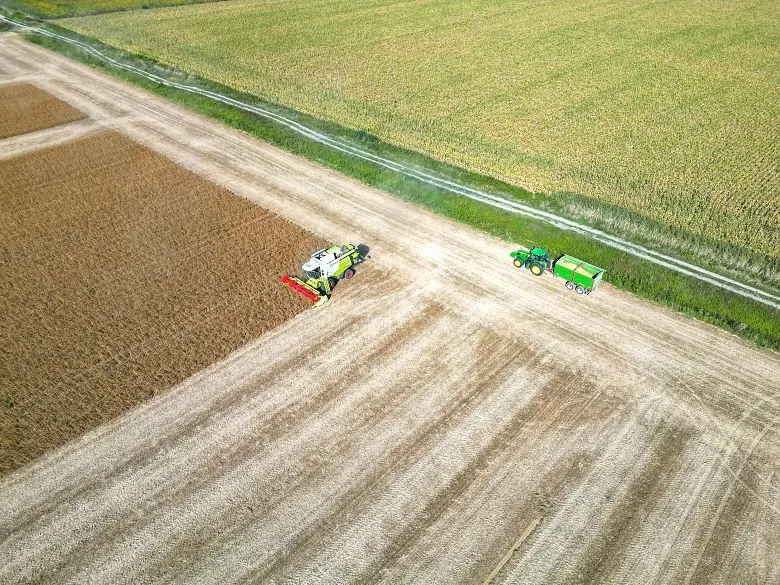
The usual obstacle to a school feeding programme is land, and TUFOI already owns it: 107 acres in Mbinga District, fertile and with enough water to irrigate. That removes the largest single cost before the project begins.
The farm will supply 8 public primary schools directly. At each school the project builds what makes a meal possible — a kitchen, a dining hall, toilets and a clean water connection. Children, parents and teachers are trained in modern farming methods alongside the work.
Surplus harvest is sold. That income funds the following season, which is what allows the programme to continue after donor funding ends rather than stopping with it.
How it will be built
The work runs in sequence: engage local authorities, survey and prepare the land, acquire tools and equipment, install irrigation, prepare inputs and seed, train the community, and begin planting. School facilities — kitchens, dining halls, toilets and water connections — are built alongside. Harvest, storage and sale of surplus complete each cycle.
Donors receive financial reports at every phase, and TUFOI's accounts are independently audited each year, with copies shared with donors and stakeholders.
What it costs
| Item | Amount (USD) |
|---|
| Tractor | 14,829 |
| Tools and equipment | 6,673 |
| Modern farming inputs | 5,561 |
| Seeds | 8,339 |
| Irrigation infrastructure | 14,829 |
| 8 dining halls | 103,802 |
| 8 school toilets | 44,487 |
| 8 kitchens | 29,651 |
| Transportation | 9,266 |
| Vehicles | 74,875 |
| Overhead, monitoring and evaluation | 25,951 |
| Consultancy and mentoring | 50,743 |
| Total | $727,309.24 |
What changes
Children at 8 schools eat every school day. Attendance improves, and so does what children are able to do with a full day in class. Malnutrition and stunting fall. Each school gains a kitchen, dining hall, toilets and clean water it did not have. Parents, teachers and children learn farming methods they keep. And the farm generates income that funds the next season, and eventually the next school.
Built to continue
TUFOI owns the land, so there is no lease to renew. The farm is worked by community members and staff. Seed is retained after each harvest, reducing recurring cost. Surplus sales feed a dedicated farm fund that carries the project past the initial donor period.
Support this project
The land is ready and the plan is set. What is missing is the funding to break ground.